ENERGY TRANSITION HUBWhat is the energy transition
Definition
The energy transition is the change to a low-carbon, environmentally rational, reliable and economically affordable model of energy supply. It is a medium to long term transition that requires the active and sustained involvement and engagement of all political, economic and social stakeholders.
The European Union has set a series of targets for 2030 (with intermediary milestones for 2020), in line with its "European Energy Union" strategy:
- 40% cuts in greenhouse gas emissions (from 1990 levels).
- 32% share of renewables in final energy consumption.
- 32.5% improvement in energy efficiency.
- 15% electricity interconnection between Member States.
Within this strategy, it identified 5 main challenges:
- Decarbonisation (a carbon neutral economy by 2050).
- Energy efficiency.
- Energy security.
- Internal energy and research market.
- Innovation and competitiveness.
Each Member State must in turn design and implement its own Energy and Climate Plan with which to meet the Union's 10-year targets (2021-30). These plans had to be approved by the end of 2019. In the case of Spain, with a view to transitioning to an emission-neutral model by 2050 the (draft) Plan establishes the following targets:
- 21% cut in greenhouse gas emissions (from 1990 levels).
- 42% share of renewables in final energy consumption.
- 74% share of renewables in electricity generation.
- 39.6% improvement in energy efficiency.
- 15% electricity interconnection with Member States.
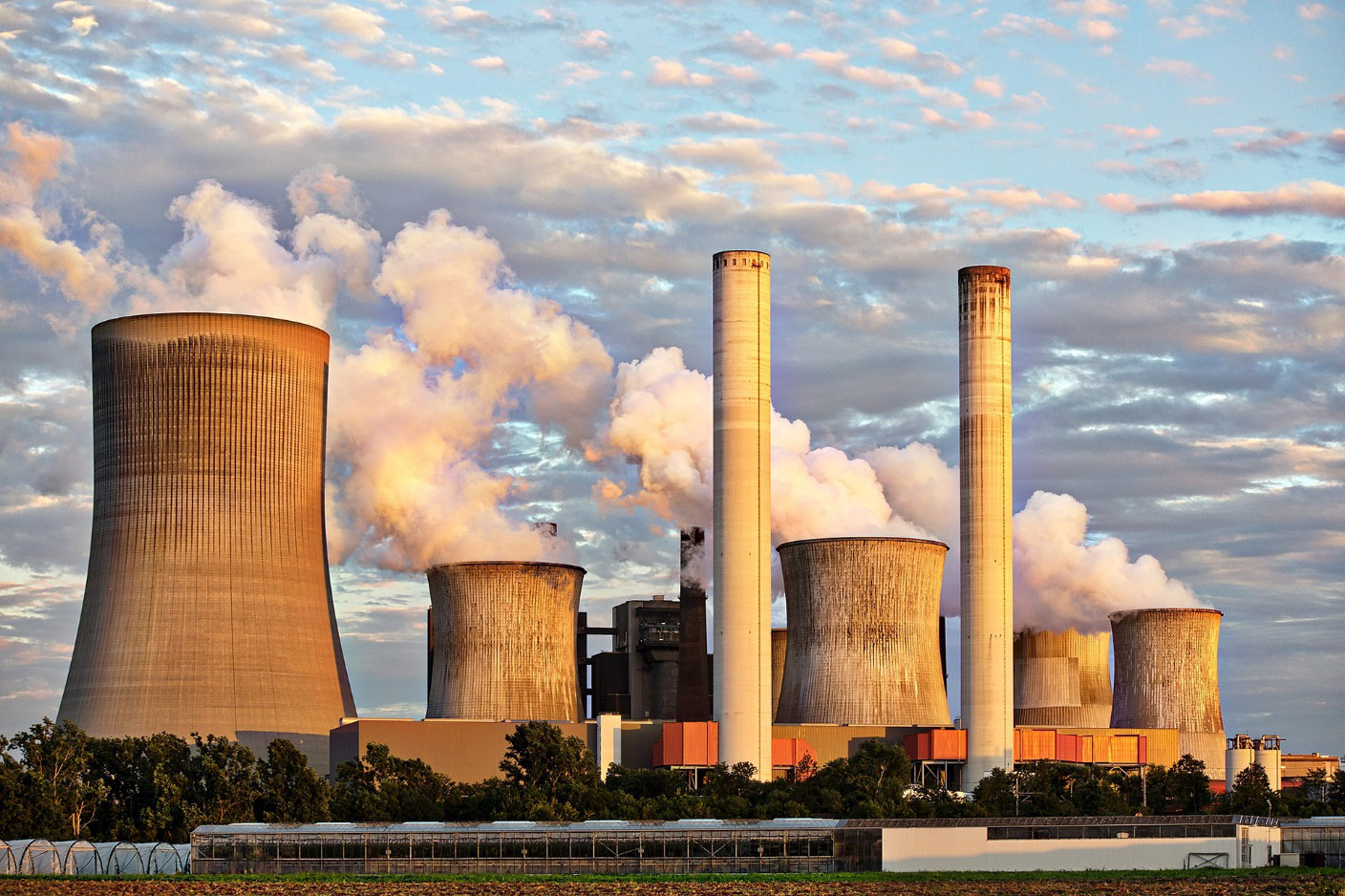
Image: coal-burning power station, an example of the existing energy system, now under transition.
Differencesbetween the current and future energy model
In global terms, the current energy model is characterised by a constant growth in consumption, based primarily on finite resources (fossil fuels), with serious and unpredictable consequences for the planet's climate due to continued greenhouse gas emissions. Such fuels are also sourced from third countries and are dependent on price and supply conditions, creating two major problems: energy dependency (97% in the case of the Basque Country) and geo-political instability, when these resources are used as an instrument of political influence. This very high rate of dependency makes our socio-economic model fragile, in terms of the cost and instability of the supply.
Finally —and this is a key factor— the current energy model lacks a sense of solidarity and fairness, since it excludes most of the world's population: the wealthiest 20% of the world's population consumes 80% of its energy resources. Thus the model would be impossible to extend to the entire planet, since there are not enough fossil resources for all.
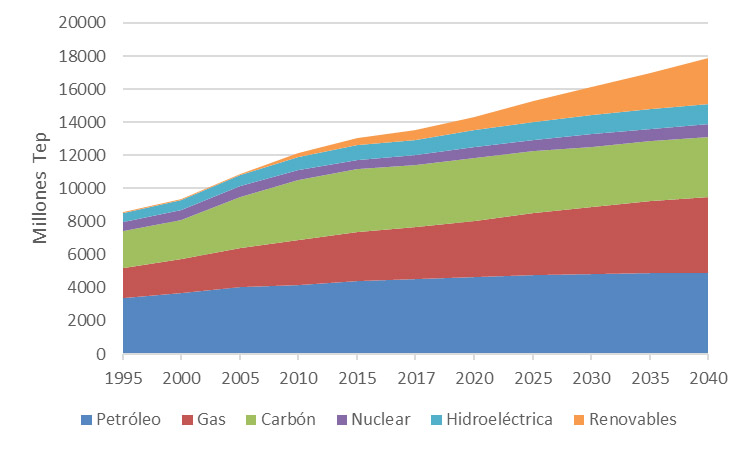
Figure: growth trend in global energy consumption in a scenario of greater economic prosperity among developing countries. Source: BP GLOBAL 2019.
In contrast to that unsustainable model, the model for the immediate future will involve reducing the economy's dependency on fossil fuels, thus cutting greenhouse gas emissions. In the case of the European Union, this involves decarbonisation of the economy by 2050.
The key actions centre on energy demand (consumption) and energy generation are as follows:
Energy efficiency
Solutions geared towards reducing final energy consumption in all sectors: transport, residential, building, services, etc., and in all uses: lighting, transport, HVAC, mobility, etc.
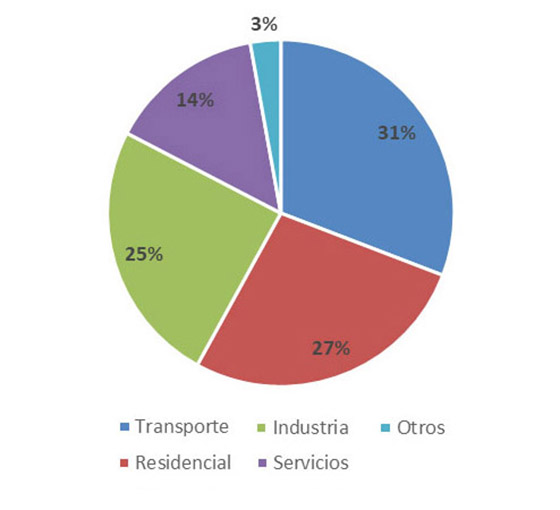
Figure: Final energy consumption by sector in the EU (28). Source: Eurostat 2017
Renewable energy
Growing implementation of technologies that allow decarbonisation of the energy mix: solar photovoltaic, solar thermoelectric, wind, biomass, etc. Renewables use local resources (wind, sun, etc.), thus cutting the economy's external dependency on fossil fuels, and reducing price and supply risks. In general, they use non carbon-emitting technologies.
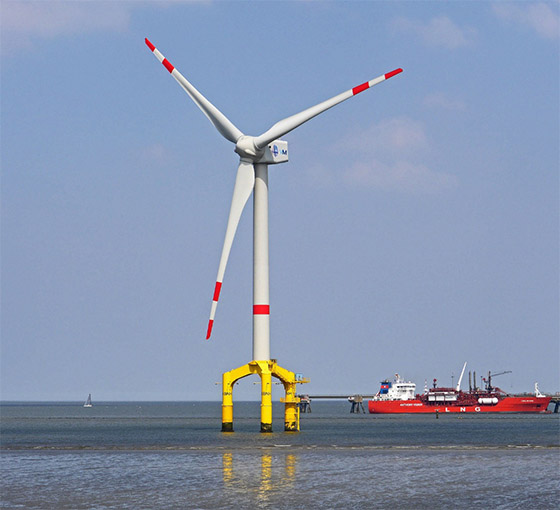
Image: Offshore wind turbine. Source: Pixabay.
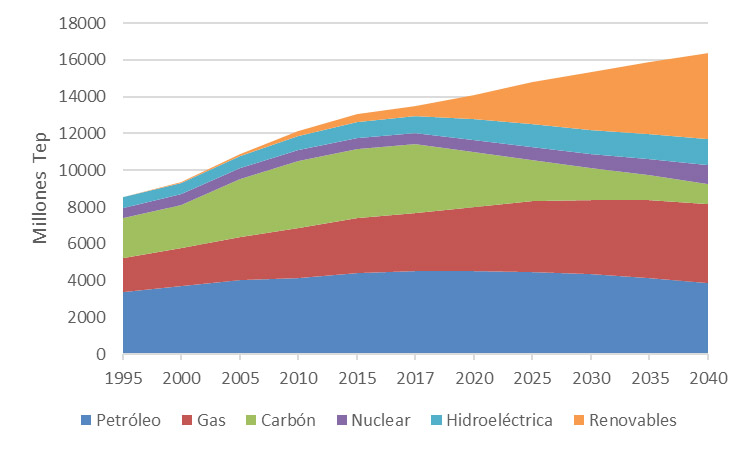
Figure: growth in global energy consumption in a rapid energy transition scenario (implementation of emission reduction policies in all sectors). Source: BP GLOBAL 2019
Other low-carbon technologies
Such as nuclear, fuel replacement (e.g.: hydrogen), large-scale implementation of e-mobility and carbon capture, use and storage.
Disadvantagesof current energy model
The current energy model is unsustainable, costly and has a large environmental impact. Moreover, it is characterised by constantly growing energy consumption. This continuous increase means a constant increase in the price of the raw materials used to obtain energy, which severely affects the competitiveness of economies.
And this price increase will have a repercussion on the energy bills not only of business and industry, but also of households, many of which will be unable to afford them. From a socio-economic perspective, maintaining the current energy model is therefore not an option for governments.
Furthermore, from an environmental perspective, greater consumption of fossil resources will mean an increase in greenhouse gas emissions and pollution levels in general.
It is therefore essential to reduce the economy's dependency on fossil fuels and cut greenhouse gas emissions, by committing to solutions that will reduce energy consumption and encouraging the use of renewable energy.
Advantagesof the energy transition
Benefits for Gipuzkoa
Gipuzkoa is highly dependent on external sources for its energy. A new energy model would mean:
- Reduced dependency on energy imports.
- Reduced economic susceptibility to fluctuations in energy prices.
- Improved energy efficiency.
- Lower carbon emissions.
- New opportunities for companies in the region.
- Local job creation.
Benefits for companies
The main economic benefits of the energy transition, as envisaged, are:
- A positive impact on industrial revitalisation.
- Job creation.
- Business opportunities for SMEs.
- Greater profitability in companies.
- A significant reduction in energy bills and industrial costs.
- Improved competitiveness.
- Reduced dependency on imported energy with an associated reduction in costs.
- Greater energy efficiency.
- Reduced spending on energy in the home.
- Additional source of income in the rural milieu from the installations required.
Environmental benefits
Focusing on the environment, we know that renewable energy sources…
- Are inexhaustible.
- Are clean and do not generate difficult and costly-to-treat waste.
- Help reduce emissions of CO2 and other pollutant gases, thus contributing to the fight on climate change.
- Lead to an improvement in air quality.
- Foster the sustainable development of communities.
The net result will be a reduction in the climate impact, thus making it possible to meet the government's environmental targets, needed to meet the goals of the Paris Summit.
Barriersin the current economic system
Major investments are required to implement the energy transition, complementing the investment already being made in the fight on climate change. Likewise, the financial system will have to be harmonised, with greater requirements on sustainability, while capital investment will have to be reallocated to low-carbon solutions.
Financial limitations can inhibit investment. It is important to unlock the sources of financing that are currently contributing little to investment in sustainable energy, with greater participation from institutional investors (pension funds, insurance companies, etc.) and community-based financing systems, as several international organisations have argued.
In order successfully to implement the sort of energy transition that is required, it would be beneficial to gradually eliminate aid to fossil fuels, thus creating a level playing field for all technologies.
The circular economy is the process of social transformation that has inter-related most with the energy transition. The energy transition promotes processes of circular economy while in turn, the circular economy orients the energy transition towards maximum sustainability.
Legislative obstacles
In order to define and achieve the objectives required to meet the 2030 and 2050 goals, it is indispensable to establish a stable regulatory framework that offers long-term guarantees to all parties.
It is also necessary to develop political instruments that facilitate investment and help eliminate economic barriers.
In this regard, regulation is needed that does not penalise self-consumption and that empowers citizens in energy terms. Complex administrative procedures can put a brake on the development of many projects and initiatives, and swifter and more flexible processes are therefore required.
A bill was submitted to the Spanish Parliament on 19 May.
CLIMATE CHANGE AND ENERGY TRANSITION BILL
Citizens and society
At a social level, the main obstacle to any move towards the energy transition is a lack of information — or even actual disinformation. In broad terms, the public lacks clear information on the subject, and because of the complexity of the subject and the associated terminology, people do not understand the benefits of this transition. This aspect comes on top of an existing situation of energy poverty, currently being experienced by a section of the population.
At the same time, it is important to ensure legal security for any citizens wishing to play an active part in the transition, avoiding the mistakes of the past when mistrust has been generated amongst a section of society, raising barriers to the democratisation of the transition process.
Technology and innovation
In order to achieve the innovations required by the energy transition, governments, international agents and the private sector need to come together and take joint and coordinated action.
Research, development and demonstration are all key to supporting an efficient and effective transition. Innovation and early deployment of low-carbon technologies would help ensure their availability and further reduce costs. This will require considerable expense and will only be possible with the support of new business models and affordable financing.
Innovation is decisive to the development of alternatives, but for this, investment is required. This is a major obstacle that needs to be overcome if we are to achieve the much-desired goal of carbon neutrality.
Energy and material-related obstacles
The electricity industry —like the energy sector in general— is aware of the key role it plays in meeting the objectives of the energy transition. However, the current system itself faces a series of challenges and limitations that are hampering change. The most important is the amount of energy currently being provided by non-renewable sources and the size of the energy infrastructures.